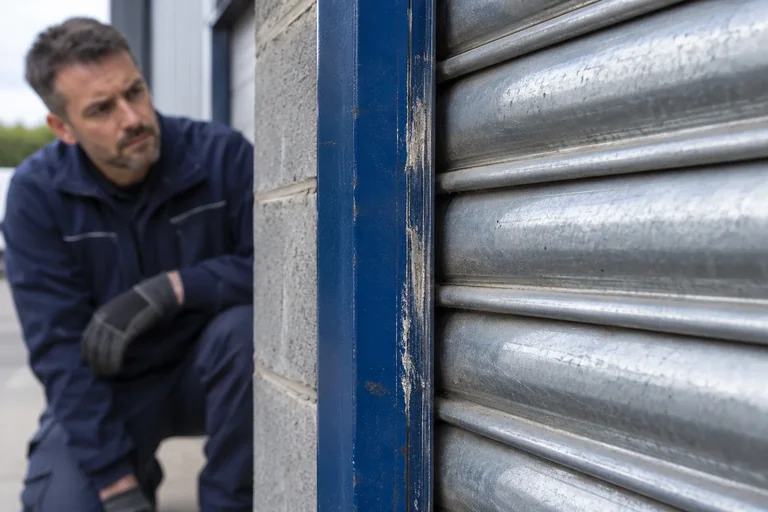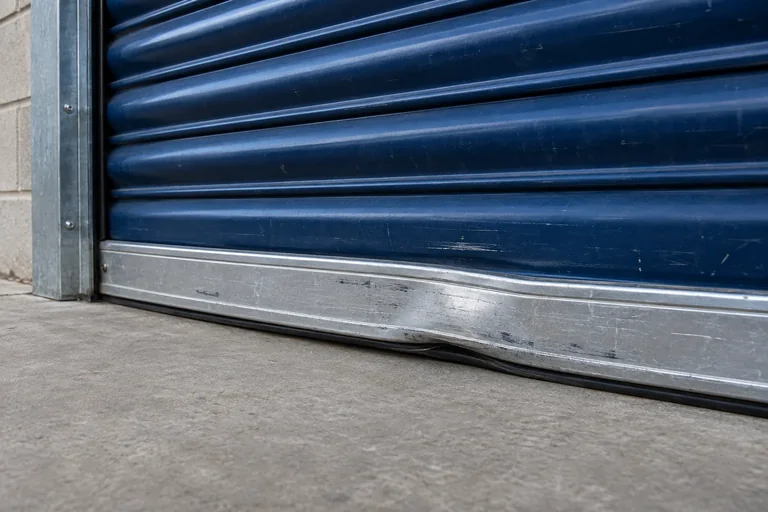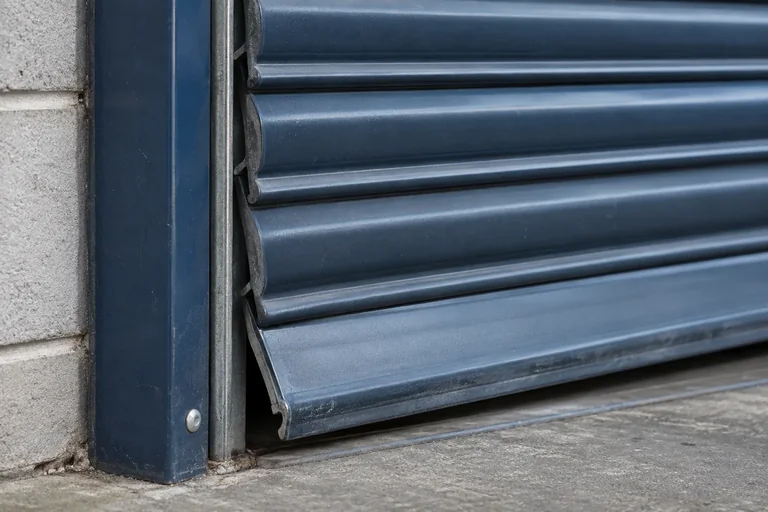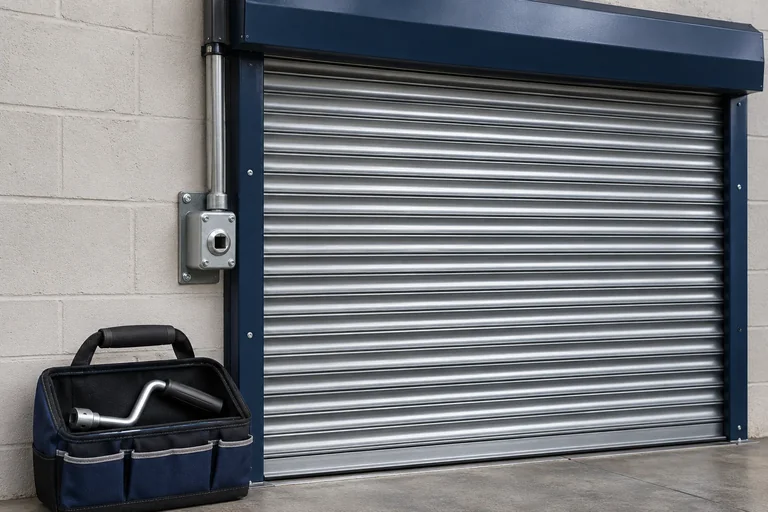

Roller shutter stops halfway: what to tell your repair technician
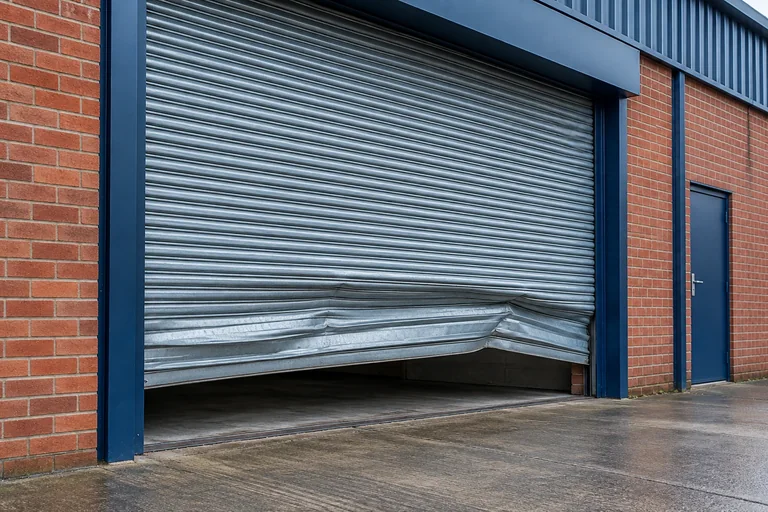
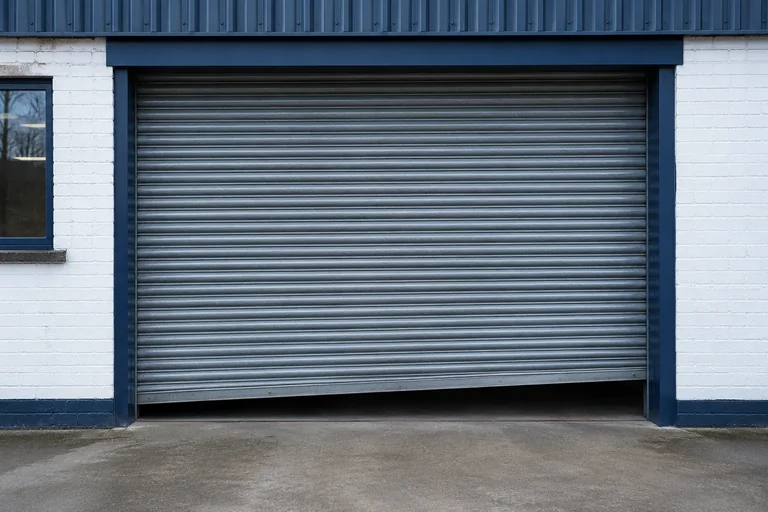
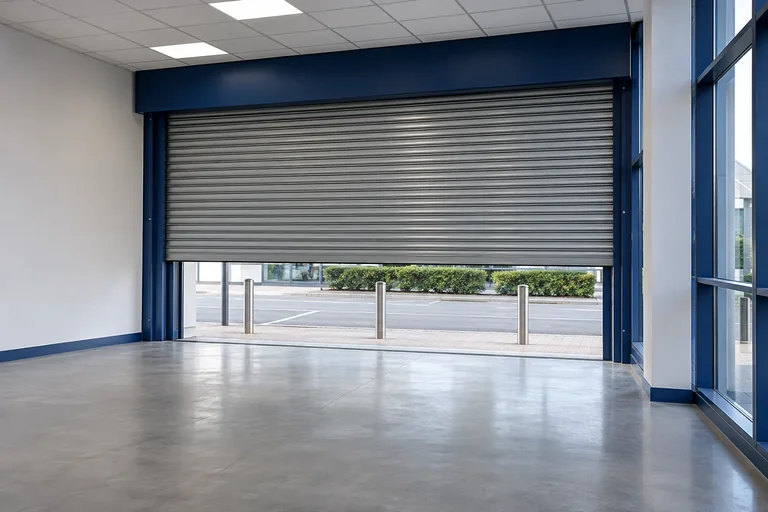
A useful fault description can help arrange the right assessment. Record the position, the response and the effect on access without repeatedly testing the shutter.
Read the guidePractical knowledge. Clear next steps.

Useful shutter guides for shops, property managers and local premises. Understand the enquiry, prepare for assessment and explore the right service.
Featured guide
A useful fault description can help arrange the right assessment. Record the position, the response and the effect on access without repeatedly testing the shutter.
Read the guide30 guides
A useful fault description can help arrange the right assessment. Record the position, the response and the effect on access without repeatedly testing the shutter.
Read the guideHeavier or uneven movement is worth describing clearly. Learn which observations help a repair enquiry and how to separate an existing fault from routine maintenance.
Read the guideAn unresponsive shutter does not identify one failed component. Prepare a clear account of the controls, movement and equipment records before arranging assessment.
Read the guideCompare the scope of the proposed work, rather than choosing from the symptom alone. Understand component repairs, motor replacement and whole-shutter replacement.
Read the guideA useful maintenance booking starts with the right information and an agreed scope. Understand what to discuss before a visit and how to handle further findings.
Read the guideOrganise the fault description, approvals and access before arranging work. A concise enquiry helps everyone understand the affected entrance and proposed next step.
Read the guideUnderstand quotation scope, assessment assumptions and the difference between component repairs and whole-shutter replacement.
Read the guideQuestions about compatibility, associated work and assessment before approving a motor replacement proposal.
Read the guideA premises manager’s record checklist for identifying openings, reporting changes and coordinating agreed servicing work.
Read the guidePrepare a useful account of an operating-control problem without pairing, bypass or electrical test instructions.
Read the guideExplain a shutter that will not secure normally, with attention to closure, movement and the wider assembly.
Read the guideUseful information for a repair enquiry about an existing perforated retail shutter, including damage and operating changes.
Read the guideIdentify the actual opening, equipment and site arrangements before assuming a broad industrial-door enquiry is a shutter repair.
Read the guideDescribe visible curtain or guide damage safely and understand how compatible repairs and replacement are assessed.
Read the guideUnderstand an open shutter that will not close, how to describe the fault and what to discuss when arranging an assessment.
Read the guideA guide to a shutter that prevents normal access, including the information needed to discuss assessment without forcing the opening.
Read the guideUnderstand the difference between stopping short, an uneven closing line and reversing before the shutter reaches its normal position.
Read the guideWhat to report when one side of a shutter appears higher, travel becomes skewed or the curtain no longer sits as it normally would.
Read the guideHow to explain a new operating noise, distinguish it from the normal sound and arrange an appropriate repair or servicing enquiry.
Read the guideUnderstand the lower rail of a shutter, how visible damage can affect the enquiry and what a compatible repair proposal should explain.
Read the guideWhat to do when a curtain appears displaced at its sides and how to describe the condition for an appropriate assessment.
Read the guideA guide to reporting an override problem on an existing powered shutter without treating an unfamiliar mechanism as a universal access method.
Read the guideHow to report a shutter that moves unexpectedly, distinguish it from a normal closing command and arrange assessment without further testing.
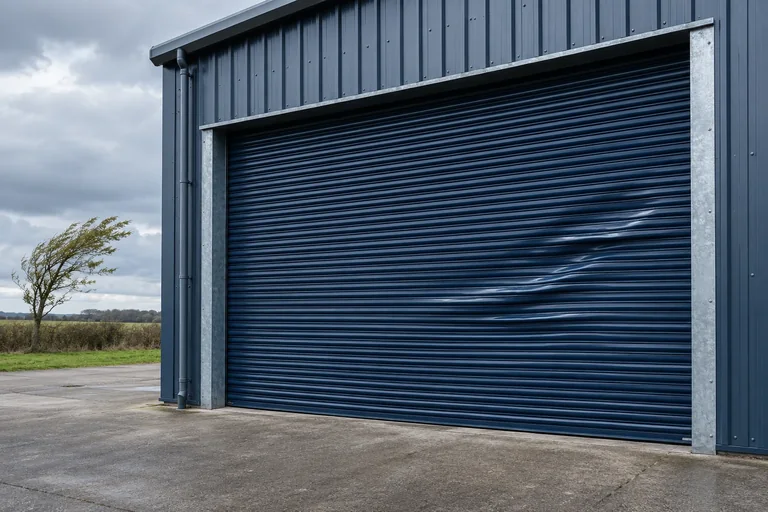
Read the guidePrepare an enquiry after strong winds, keeping the reported event, visible damage and current operating condition clearly distinguished.
Read the guideHow to describe a struck shutter, distinguish visible marks from the full damage and coordinate a clear repair proposal.
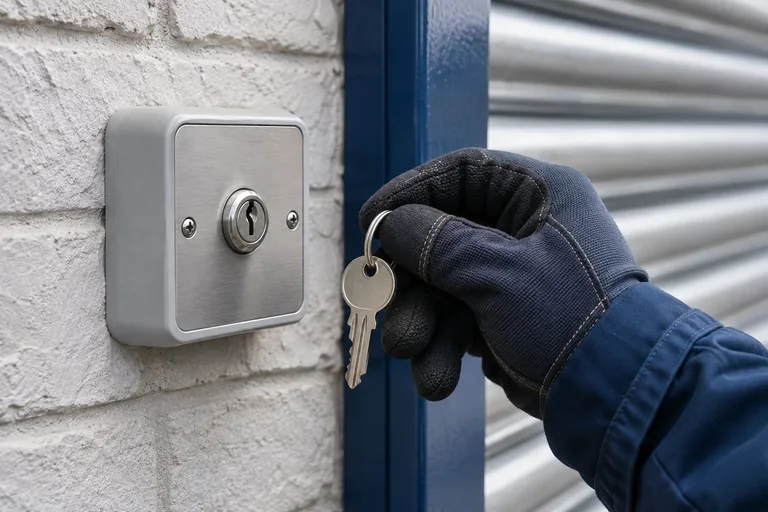
Read the guideA focused guide to wall switches and key switches, with clear distinctions between the control symptom and the complete powered shutter.
Read the guideUnderstand the difference between arranging attendance, assessing a fault and completing the agreed repair, and which details help plan the work.
Read the guideHow an engineer visit is arranged, how the installed shutter is assessed and how suitable parts or motors are supplied and fitted during the agreed repair.
Read the guidePlan servicing around the installed equipment, manufacturer information, operating conditions and assessed needs instead of assuming one interval fits every shutter.
Read the guidePrepare a clear repair enquiry after forced-entry damage, keeping visible condition, current closure and the proposed equipment work distinct.
Read the guideNeed a repair, rather than a guide?
Call with your postcode and a short description of the problem.