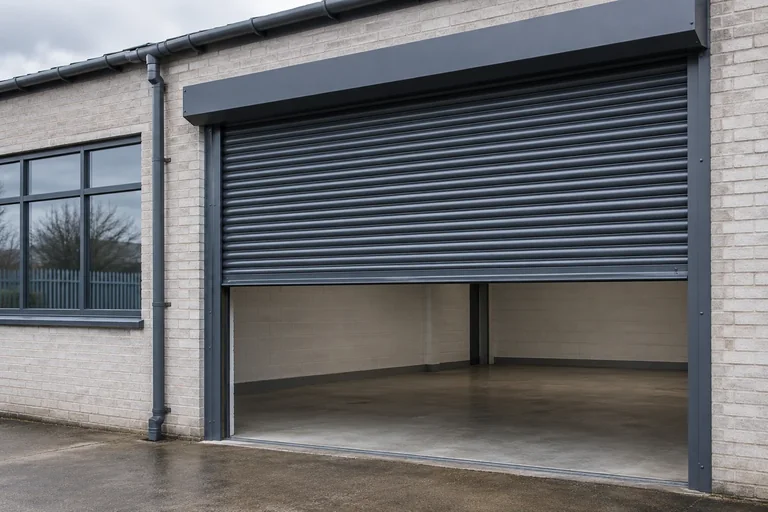
An electric shutter that no longer responds can interrupt access and leave you wondering whether the motor needs replacing. The response alone does not establish the cause. A useful enquiry explains how the system normally operates, what you observed and which entrance is affected. This guide helps you prepare that information without attempting electrical tests, altering controls or dismantling the mechanism.
Describe the response you already observed
Explain whether there was no movement, an interrupted movement or a response that had become unreliable. Mention any unusual sound already noticed during normal operation. If the curtain moved before stopping, describe its approximate position and whether it travelled unevenly.
Keep the account factual: no response is an observation, while a failed motor is a conclusion that needs assessment. Do not repeatedly operate a system behaving abnormally simply to gather more information. The repair discussion can begin with the symptoms you have already seen.
Explain the normal control arrangement
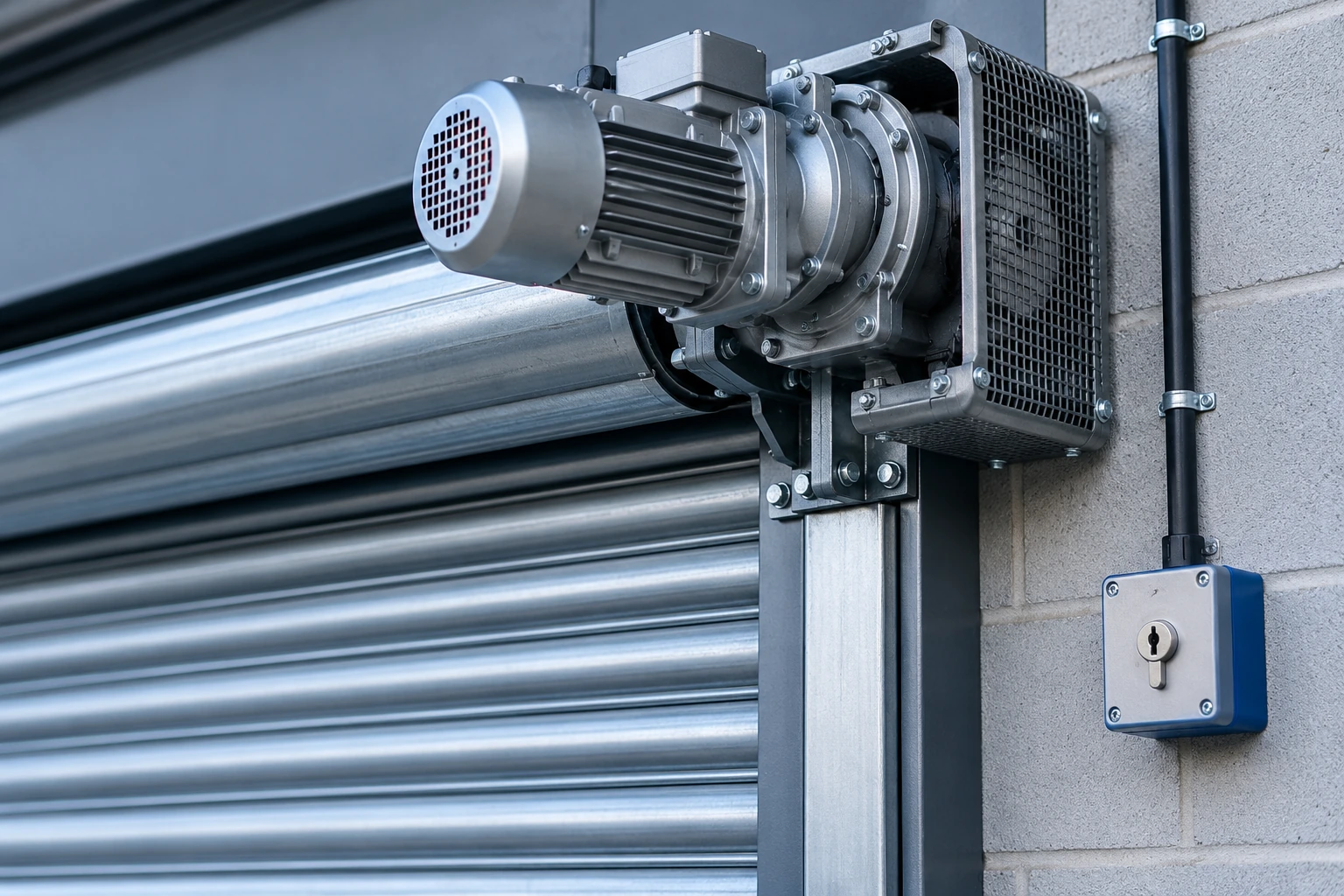
Tell the team which control you normally use, such as a wall control or another installed operating device. Different powered systems have different arrangements, so a generic description of an electric door may not identify the equipment.
If the property has several shutters, specify which opening and controls the enquiry concerns. Do not bypass a safety device or alter the installation to check a theory. The aim is to describe normal use and the change in response, leaving the appropriate technical investigation to assessment of the actual system.
Bring together existing equipment information
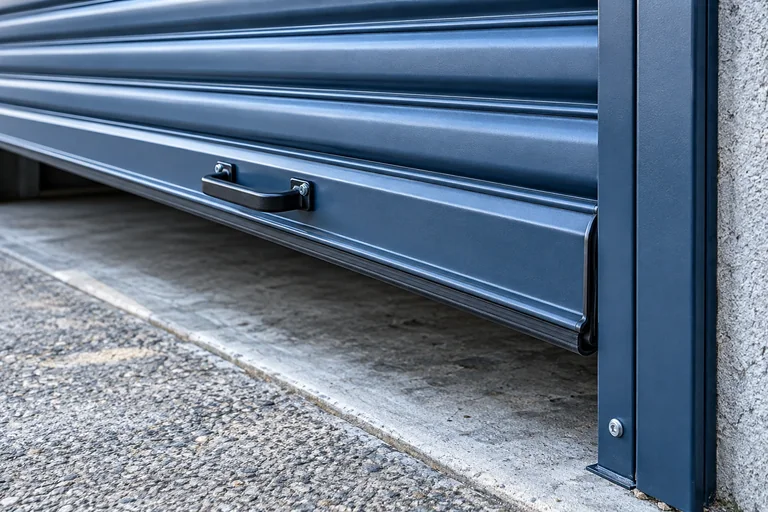
Service records, previous quotations and manufacturer information may help establish which shutter is installed. Use readily available records rather than climbing or removing covers to find a label. If a recent repair or known impact is relevant, include that information and distinguish confirmed facts from someone’s suggestion. A photograph taken safely from ground level may help identify the opening or show visible damage.
It does not establish compatibility or all the work required. Keep records for different shutters separate so the assessment is not based on the wrong entrance. A concise note might identify the rear loading shutter, its usual wall control and the lack of movement observed at opening time. That is an example of a useful description, not a diagnosis or a request to repeat the test.
Consider the wider operating problem
Powered movement depends on more than one component. The enquiry should therefore mention visible curtain damage, uneven travel or resistance already observed, alongside the control response. Those details help explain whether the problem appears confined to operation or affects the wider entrance.
They do not allow a remote diagnosis. Our electric shutter repairs page considers the powered-system enquiry, while the motor repairs page explains motor-specific assessment and compatible replacement decisions. Starting with the whole reported problem helps avoid authorising a component simply because it is commonly associated with an electric shutter.
Prepare access and approval arrangements
Give the actual premises postcode and identify who can provide entry. At managed commercial premises, the person reporting the problem may not be the person approving the quotation. Make those roles clear before arranging a visit.
Explain the current curtain position, available alternative access and any opening-time or delivery restrictions. Ask what information is useful for the initial discussion and when inspection is needed. A useful enquiry connects the operating symptoms with workable access to the equipment, rather than treating the building address as all the coordination a repair visit requires.
Understand what a motor proposal does and does not include
Motor-only work concerns one part of a powered shutter. It should not be confused with replacing the curtain and complete assembly. Where a compatible motor replacement is proposed, ask what associated work is included and whether other assessed faults remain relevant.
If the evidence supports a different repair route, that should be explained too. A short online description cannot choose a motor or confirm a whole-system replacement. Keep the quotation tied to the assessed equipment and the problem you need resolved, then agree the scope before further work proceeds.
Keep this handy
Your enquiry checklist.
- Affected opening and premises postcode.
- Normal control or operating method.
- No response, interrupted travel or unreliable response.
- Current curtain position and visible damage.
- Relevant records already available.
- Person providing access and approving work.
- Questions about quotation scope and parts.
Clear answers
Common questions.
Does no response mean the motor is beyond repair?
No. The reported response does not establish which component needs attention. Assessment considers the installed powered equipment and wider shutter before repair or replacement is proposed.
Should I test wiring or override the controls?
Do not attempt electrical tests, bypass safety devices or dismantle equipment to prepare an enquiry. Describe the response and use existing records where available.
Can a replacement be chosen from a photograph?
A photograph may help identify equipment, but appearance does not confirm compatibility or the full repair scope. Inspection and the actual operating arrangement may be relevant.
Which service page should I use?
Start with electric repairs for the overall operating problem. The motor page explains component-specific assessment and replacement. Either can lead to a useful enquiry about the symptoms.
Your repair visit
From your call to an on-site repair.
- Tell us what happened. We discuss the fault and whether repair, servicing or maintenance is needed.
- Get a free initial phone quotation. We explain the expected work and give you a price breakdown.
- Accept and arrange the deposit. Once you accept the quotation, we arrange the deposit and send an engineer or technician at the agreed time.
- Have the shutter repaired on site. We bring suitable parts and motors for the work. Any additional parts or repair costs are explained on site before you approve them.
Most repairs are completed within the first hour of work on site. This is repair time, not an arrival-time promise; the fault and parts required can affect completion.