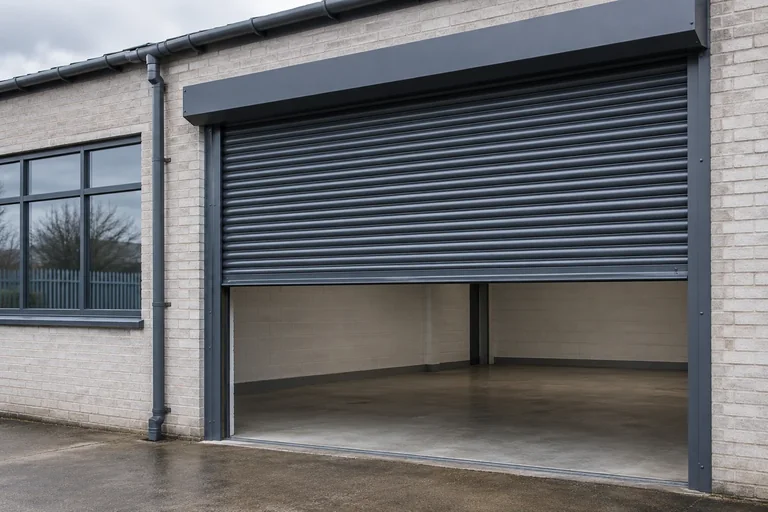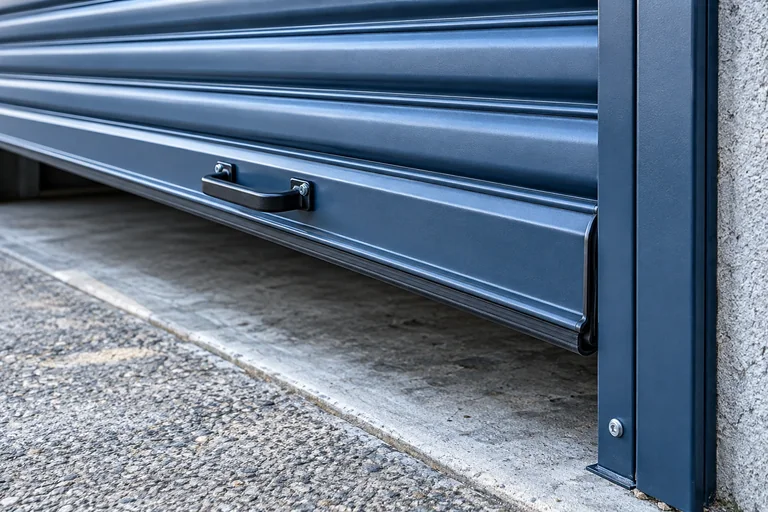
Booking a shutter service should begin with a clear conversation about the equipment and the work being proposed. The building type alone does not define every check, part or maintenance interval. This guide explains how to prepare for a servicing enquiry, make existing faults clear and understand the quotation and follow-up. It concerns arranging maintenance for existing shutters, rather than providing a universal technical inspection checklist.
Identify what is being serviced
Give the number of shutters, their normal operating methods and the entrances they serve. A shopfront shutter and a warehouse opening may have different equipment and access arrangements even when they belong to the same business.
If you use bay numbers or other references, keep them consistent throughout the enquiry. Existing records can help identify the systems when they are readily available. This information lets the discussion relate to the actual equipment, rather than an assumption that every shutter on the property needs identical work.
Report existing faults before the appointment
Explain scraping, resistance, uneven travel or unreliable response when discussing the booking. A system that still operates may nevertheless have a current problem you want assessed. Servicing and fault repair have different purposes, although both can be considered together. If the enquiry only says routine service, it may not describe the issue affecting the entrance.
Identify each known fault and the relevant shutter. Ask whether the proposed visit needs an assessment element and how any necessary repair work would be quoted and agreed. For premises with several systems, make a short list showing the opening reference and reported issue for each one. This helps the enquiry distinguish a general maintenance requirement from a particular fault at one entrance, and gives the person providing access a clear record of what has been requested.
Ask what the proposed scope includes
The work should reflect the installed equipment and agreed requirements. Depending on that scope, discussion may involve operating condition, visible wear, movement or other relevant components. Ask what the quotation covers and what it does not establish in advance.
Replacement parts and separate repairs should not simply be assumed to be included. If the assessment identifies additional work, ask how the findings and quotation would be communicated before authorisation. An agreed scope helps distinguish the planned visit from an open-ended instruction to carry out every possible intervention.
Use the relevant instructions and records
Keep equipment information and previous servicing details available where possible. Manufacturer guidance and the way the equipment is used are relevant to maintenance planning; a general article cannot set a suitable interval for every shutter.
HSE’s work-equipment maintenance guidance also emphasises competent maintenance and planning with appropriate instructions. That general principle does not define the service being quoted here. Ask about the arrangements appropriate to the installed system and explain any existing guidance or records, rather than substituting an internet checklist for equipment-specific requirements.
Coordinate the visit with the premises
Tell the team who will provide entry, which entrance is affected and whether deliveries or customer movements need consideration. At managed premises, identify the person who can approve any proposed additional work.
Explain parking or gate arrangements before the visit rather than relying on the correspondence address. Communication helps the maintenance enquiry fit the site’s practical conditions. HSE highlights the importance of planning and clear information around maintenance; your booking conversation should therefore make the relevant access and responsible contacts easy to identify.
Understand and retain the follow-up information
Ask what information will be explained after the agreed work, including any issues that need a separate repair decision. Keep the quotation, affected-opening references and relevant records together so a later enquiry can identify what has already been discussed or completed.
Do not assume that a servicing visit guarantees there will never be another fault. If operation changes afterwards, describe the new symptoms and relevant history. A useful maintenance record supports a clearer conversation; it is not a substitute for reporting a current problem or agreeing the next appropriate assessment.
Keep this handy
Your enquiry checklist.
- Number and operating type of shutters.
- Clear opening or bay references.
- Known faults listed separately.
- Readily available equipment and service records.
- Agreed work, quotation and exclusions.
- Access contact and approval contact.
- How additional findings will be communicated.
Clear answers
Common questions.
Does every shutter need the same service interval?
No universal interval can be set from the building type alone. The installed equipment, usage, condition and relevant guidance should inform the appropriate arrangements.
Will a service include replacement parts?
Do not assume every component or repair is included. Ask what the quotation covers and how further findings or proposed work would be explained and authorised.
Can servicing be arranged for a faulty shutter?
Yes, but describe the existing problem first. The proposed work may need repair assessment alongside planned maintenance, and the scope should make that clear.
What local details should I provide?
Give the premises postcode, the number of shutters and the access arrangements. Manchester and Sale enquiries can be discussed by telephone, with surrounding-area attendance confirmed for the location.
Your repair visit
From your call to an on-site repair.
- Tell us what happened. We discuss the fault and whether repair, servicing or maintenance is needed.
- Get a free initial phone quotation. We explain the expected work and give you a price breakdown.
- Accept and arrange the deposit. Once you accept the quotation, we arrange the deposit and send an engineer or technician at the agreed time.
- Have the shutter repaired on site. We bring suitable parts and motors for the work. Any additional parts or repair costs are explained on site before you approve them.
Most repairs are completed within the first hour of work on site. This is repair time, not an arrival-time promise; the fault and parts required can affect completion.